
Get the Most Reliable Lexus Vehicle History
Use the Lexus VIN and get the vehicle history report that details the vehicle’s specifications and records, like accidents, auctions, warranties, odometer readings, and more.
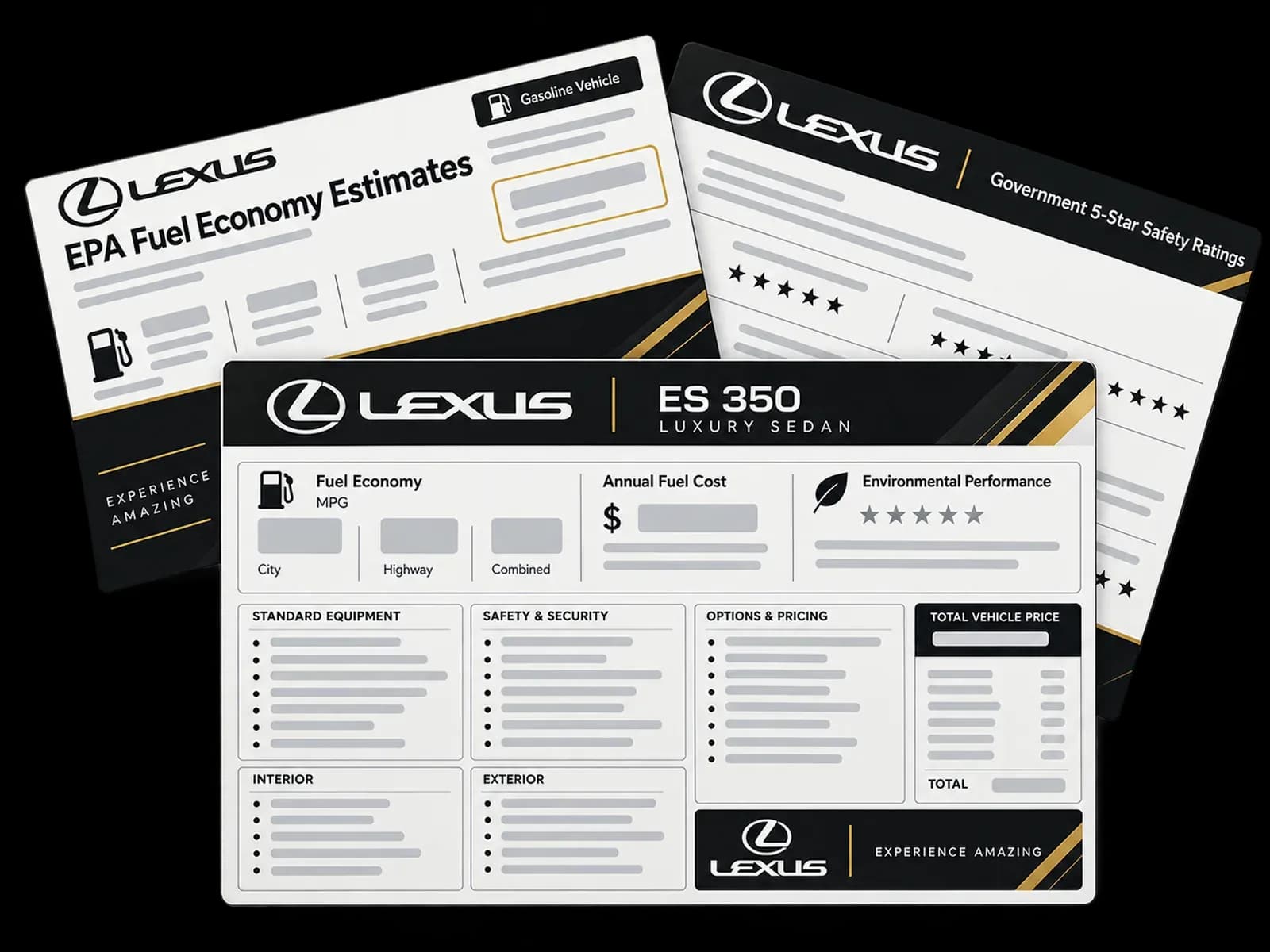
What is Lexus Vehicle History?
A Lexus vehicle history is a detailed report that shows the car’s specifications along with key records such as accident history, auction activity, damage checks, title status, mileage, and ownership history.
With a Lexus vehicle history report, car buyers and sellers can identify issues that may not appear during a visual inspection. It gives both buyers and sellers a clear view of the car’s condition and background before any transaction, helping avoid problems like hidden damage or odometer inconsistencies.
What is Included in a Lexus Vehicle History Report?
Our Lexus vehicle history report can get you a wealth of information about the car that can help you make a good decision before buying or selling. From the detailed information of the vehicle’s specifications to the vehicle’s records, which could affect its safety and value. Here’s what you’ll get with our vehicle report.
Vehicle Specifications
This section highlights the detailed information on the vehicle’s specifications. Check this section to help me write down the specifications and to check if it matches your needs and budget.
Detailed information about the vehicle’s design and features
This section provides details such as standard seating, MSRP, engine capacity, fuel type, country of origin, and body type to help you better understand the vehicle’s configuration.
Estimated Market Price
Aside from the vehicle’s specifications, you will get detailed information on the car’s estimated market price from many valid sources.
Current valuation based on different selling scenarios
In addition to specifications, this section shows estimated market prices for retail sales, private-party transactions, and trade-ins to help you assess the vehicle’s value.
Title Check Records
A car’s title shows how it was treated in the past. A clean title means that the vehicle has never been declared a total loss. However, not all cars have a clean title. That is why it is crucial to check the title thoroughly.
Salvage Title
Issued when a vehicle is declared a total loss by an insurer due to severe damage, such as accidents or flooding. These vehicles often carry a higher risk and reduced resale value, even if repaired.
Rebuilt Title
Assigned after a salvaged vehicle is repaired and passes state inspection. While legal to drive, past damage may still affect safety, reliability, and insurance coverage.
Lemon Title
Given to vehicles with repeated defects that could not be fixed under warranty. Even after multiple repair attempts, the issues remained, leading to a lemon classification under state law.
Flood Title
Applied to vehicles damaged by water exposure, often from storms or flooding. Electrical and mechanical issues may appear later, even if the car looks fine on the surface.
Junk Title
Used for vehicles deemed unsafe or beyond repair. These cars cannot be registered for road use and are typically sold only for parts or scrap.
Odometer Readings
Verify the car’s true mileage and avoid costly surprises. Odometer records from inspections, service visits, auctions, and registrations are compared to create a clear timeline, helping spot inconsistencies and reduce the risk of rollback before you buy.
Detailed Mileage Records
You do need to be confused when it comes to examining the vehicle’s mileage. You can see the recorded mileage along with the recorded date and the last recorded mileage; these help you to see if the vehicle’s odometer was rolled back.
Ownership Records
Ever wonder how the car was used by the previous owner? Was it a personal vehicle or even a rental car? You can find the records with our vehicle history report.
Past Ownership Usage
You can see how the vehicle was used in the past by its previous owner. In this section, you’ll see if the car was used personally, rented, leased, or used as a government vehicle.
Past Owners Information
See how many past owners the vehicle has had. Get the information on the year of purchase, location, and the duration of ownership. Please note that personal information like names, addresses, and contact information is not shared due to privacy laws.
Vehicle Recall Check
A recalled vehicle means that it suffers from repeated or serious problems that need to be addressed directly by its manufacturer. Sometimes, a recall cannot be seen directly on the body, but you can examine the recall information through the report.
Recall Details
The report details the date of recall and the causes of recall, and also details how the manufacturer handles the recall fixing. Thus, you can see if the car’s recall status is still open/fixed.
Recall Status
Indicates whether the recall is still open or has already been fixed, helping confirm if the vehicle is safe to drive or still requires manufacturer attention.
Stolen Records
Not all sellers are honest about their car’s legal status. A car might look like it has no flaws, but in reality, it was stolen.
Vehicle Stolen Details
The stolen records section highlights the detailed information of the stolen vehicle. In this section, you will see the date and the location where the vehicle was stolen.
Service and Maintenance Records
A car that is regularly serviced and maintained tends to have better performance than a car that has never been or is rarely serviced. This section highlights documented maintenance and repairs, helping assess reliability and spot signs of neglect before you decide to purchase the vehicle.
Recorded Service Visits
Displays logged maintenance like oil changes, inspections, tire rotations, and brake work, showing whether routine care was kept up. You also check the date and the location where the service was performed.
Auction and Sales History
See where the vehicle has been sold and how it was presented at the time. This section highlights auction activity, listing details, and price records that help spot patterns affecting value and condition.
Auction Information and Images
Check the detailed information of the vehicle when it was sold at an auction house. You can see the date, location, status, and the final price of the vehicle at the auction. In addition to that, you can also get up to ten real pictures of the vehicle when it was auctioned.
Why Do You Need Lexus Vehicle History?
Buying a used Lexus requires a thorough check to make sure that the vehicle is in good shape and worth the money. Here are the reasons why you will need to get the vehicle history report before you proceed to purchase the vehicle.
For Buyers
Confirm the car’s past before committing money. With a full vehicle history report, you can avoid hidden issues like accidents, title problems, or mileage gaps to ensure you get the best deals.
For Sellers
You can use the vehicle history report to help you price the car better. The report highlights crucial information about the car’s condition, MSRP, and the market value; this information is useful to help you set the price correctly.
For Dealers
Verify vehicle records quickly before listing or resale. Reduce disputes by presenting a clear, documented history upfront. In addition to that, the vehicle history report helps you to secure the deal faster.
How to Check Vehicle History for Lexus
Checking the vehicle history of your Lexus is simple. You can use the VIN or license plate to get the detailed information about the car through a vehicle history report.
Step 1: Locate the VIN
Find the 17-character VIN on the dashboard, near the windshield, or on the driver’s side door jamb.
Step 2: Fill Out the Form
Click on the form above, then write down the VIN. After that, hit the submit button to submit the VIN.
Step 3: Get the Report
Wait for a few seconds to get the report generated. Don’t forget to examine the preview page and proceed to get the full vehicle history report.
How to Check Vehicle History by License Plate
If you don’t have the VIN, you can use the license plate number and get the vehicle history report. Follow these easy steps to check the license plate.
Step 1: Find the License Plate Number
Locate the license plate on the front or rear of the vehicle. Or, if you cannot find the plate, you may ask the seller.
Step 2: Enter the License Plate Number
Input the license plate number on the form above, then hit the submit button to submit the form.
Step 3: Get the Report
Wait for a few seconds to get the report generated. Examine the preview information to see if the vehicle is right, then you can proceed to payment to get the full report.
What Makes Us Better than Other Services?
Compared to other service providers, our service has many more plus points. It goes beyond basic checks by combining real photos of the car during the auction and free market value pricing, and costs less than $25 for a single report.
| Feature | Carfax | Our Report | AutoCheck |
| Price | $44.99 | $19.99 | $29.99 |
| Single Report | Yes | Yes | Yes |
| Sales Listings with Photos | No | Yes | No |
| Auction Records with Photos | No | Yes | No |
| Market Value Data | Yes | Yes | Yes |
| Vehicle Specifications | Limited | Complete | Limited |
| Window Sticker Access | No | Yes | No |
| Classic VIN Decoding | No | Yes | No |
| Maintenance Guidance | Yes | Yes | No |
| Ownership History | Yes | Yes | Yes |
| Accident History | Yes | Yes | Yes |
| Damage Check | Yes | Yes | Yes |
| Branded Title Check | Yes | Yes | Yes |
| Salvage Title Check | Yes | Yes | Yes |
| Ownership History Map | No | Yes | No |
| Recall Information | Yes | Yes | Yes |
| Support for Heavy-Duty Trucks, ATVs, Trailers, Motorcycles | No | Yes | No |
| Mobile/Desktop App | No | Yes | No |
← Scroll horizontally to see more →
Get Your Lexus Report Now!
Accessing a Lexus vehicle history report makes it easier to understand how the vehicle was used over time. From mileage consistency to title and incident records, the report helps spot gaps or concerns early in the buying process.
FAQs About Lexus Vehicle History
Is vehicle history always complete?
Yes, while a vehicle history report provides valuable insights, it may not capture every detail, as it relies on reported data. Some information, like DIY repairs, unreported accidents, or maintenance done by independent shops, might not be included. In addition to getting the vehicle history report, a manual inspection is also recommended.
Can service history be erased?
You can’t completely remove a vehicle’s service or accident history, but personal data can be cleared from the infotainment system. Minor digital records may sometimes be corrected, and keeping paper records helps, though core manufacturer or dealer data is hard to change and often needs official tools or assistance.
Are our records better than Carfax?
Yes. Our service stands out by offering more accurate and comprehensive vehicle histories with no gaps, making it the ideal choice for anyone seeking the most reliable and transparent vehicle information.
Does vehicle history differ by state?
Yes, vehicle history can change depending on the state. This happens because every state has its own laws and ways of sharing data. The NMVTIS helps bridge these gaps, but it hasn’t fully eliminated the differences.
Why is my service history incomplete?
Your service history may not be complete because not all repair shops report data to history services like ours. Some maintenance might be done privately by the owner or smaller shops, leading to missed or delayed records.
Can dealers hide repairs?
Yes, car dealers can conceal repairs and damage through cosmetic fixes like buffing scratches or cheap paint jobs, parking tricks, or failing to disclose known issues. This can be deceptive, especially if they provide incomplete reports or mislead you about the car's history, such as hidden frame or accident damage.
Why does our report show nothing?
The report may show no results due to incorrect filters, date ranges, access permissions, or system issues like caching. Double-check your criteria, dates, and access rights to ensure the data exists within the selected scope. The issue is often a mismatch between your query and the data available, usually caused by filters excluding valid records.